



 Article source:
 Nov 18, 2026
Children's skin is more delicate than adult skin and can be more easily affected by frequent washing, environmental changes, and unsuitable cleansing products. During daily bathing, choosing the right body wash is important not only for removing dirt and sweat but also for maintaining skin moisture and supporting the natural skin barrier. A formula that cleans too aggressively may leave the skin feeling tight, dry, or uncomfortable after bathing.
A well-formulated baby body wash should provide effective cleansing while respecting the skin's natural balance. Mild surfactants, soothing botanical extracts, moisturizing ingredients, and skin-conditioning components can work together to make everyday bathing more comfortable.
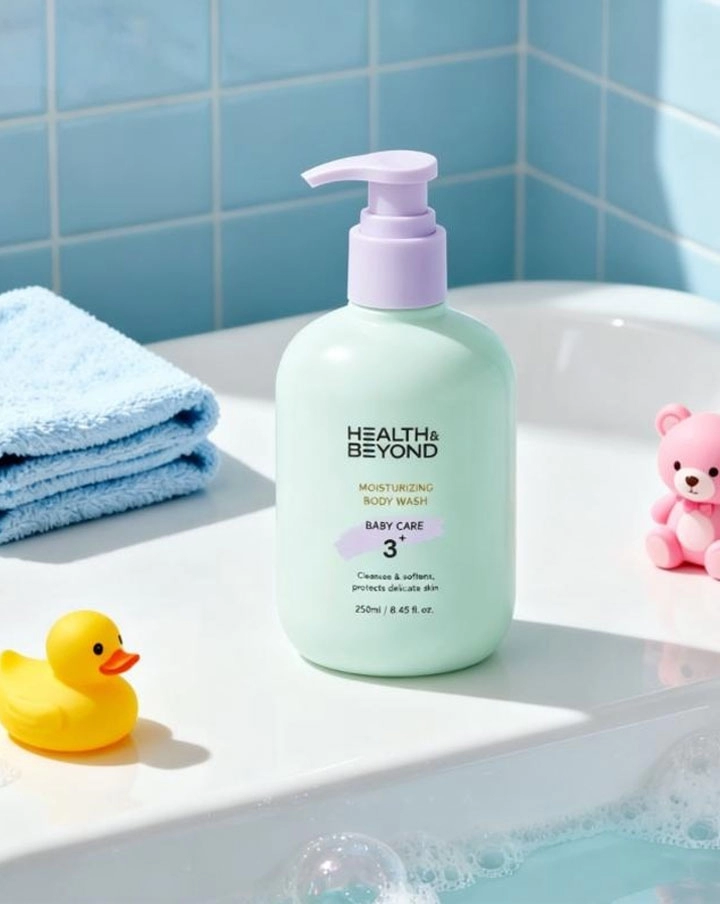
For parents looking for a gentle cleansing solution for children aged three and above, ingredient selection and formula design deserve particular attention. Health&Beyond has introduced Baby 3+ Body Wash, a children's body cleansing formula developed around mild cleansing, botanical soothing, prebiotic skin care, and lasting moisture. Its ingredient combination is designed to help keep children's skin clean, soft, and hydrated after bathing.
Why Does Children's Skin Need a Gentle Body Wash?
Children's skin requires careful daily care because its protective barrier may be more vulnerable to external irritation than that of adults. Frequent exposure to water, changes in temperature, sweat, friction from clothing, and environmental pollutants can all influence skin comfort.
Using an unsuitable cleanser may remove too much of the skin's natural lipids. When this happens, the skin can feel dry or tight, particularly after repeated bathing. Children with naturally dry or sensitive skin may be more likely to experience discomfort when exposed to harsh cleansing ingredients or heavily fragranced products.
A gentle body wash for kids should therefore balance two essential functions: removing everyday impurities and helping preserve the skin's natural moisture.
Several factors are worth considering when selecting a suitable product:
Mild cleansing performance: The formula should remove dirt, sweat, and daily buildup without leaving the skin feeling stripped.
Skin-friendly ingredients: Mild surfactants and carefully selected conditioning ingredients can improve the bathing experience.
Moisture retention: Hydrating and emollient components help reduce the dry feeling that may occur after washing.
Skin comfort: Soothing ingredients can help care for skin that is prone to dryness, itching, or temporary redness.
Suitability for regular use: A daily cleanser should be designed to clean effectively without creating unnecessary dryness through repeated use.
These considerations make formula structure just as important as cleansing strength when developing a baby body wash.
What Makes a Good Baby Body Wash Formula?
Not every cleanser designed for children offers the same level of skin care. The overall performance of a baby body wash depends on how its ingredients work together, rather than on one individual ingredient.
1. A Mild Cleansing System
Surfactants are responsible for lifting dirt, sweat, and excess oil from the skin. However, their cleansing strength and compatibility with the skin can vary considerably.
A mild cleansing system often combines different types of surfactants to achieve a balance between cleaning performance and skin comfort. APG, or alkyl polyglucoside, is a plant-derived cleansing ingredient commonly used in gentle personal care formulations. Amphoteric surfactants can complement APG by helping create a rich, fine foam and supporting a mild cleansing experience.
The combination of APG and amphoteric surfactants in a gentle baby body wash helps remove everyday impurities while reducing the likelihood of an overly stripped feeling. Fine foam also spreads easily across the skin, making it easier to cleanse different areas of the body before rinsing.
2. Moisturizing Ingredients That Help Prevent Dryness
Cleansing is only one part of children's bathing care. Maintaining skin moisture is equally important, especially when children bathe frequently or have naturally dry skin.
A moisturizing body wash for kids should include ingredients that help condition the skin during cleansing. Panthenol and shea butter are two useful components for this purpose.
Panthenol, also known as provitamin B5, is widely used in personal care products for its moisturizing and skin-conditioning properties. It helps improve the skin's moisture condition and supports a smoother, softer skin feel.
Shea butter is a plant-derived emollient rich in fatty acids. It helps soften the skin, reduce moisture loss, and improve the feeling of dryness after bathing. When incorporated into a cleansing formula, it provides additional conditioning benefits that complement the cleansing system.
Together, panthenol and shea butter help make a children's body wash more than a basic cleanser. They support a comfortable after-wash feeling and help maintain skin softness.
3. Botanical Extracts for Sensitive Skin Care
Children may experience temporary skin discomfort due to dry weather, temperature changes, friction, or other environmental factors. Botanical ingredients are often incorporated into personal care formulations to provide additional soothing and conditioning benefits.
Wild chrysanthemum extract is valued in skin care formulations for its soothing properties. It can help care for skin that feels uncomfortable due to dryness or external irritation.
Oat extract is another commonly used ingredient in products designed for dry and sensitive skin. It helps condition the skin and is associated with soothing care for dryness, itching, and redness.
The combination of wild chrysanthemum and oat extracts provides complementary botanical support. In a gentle baby body wash, these ingredients help create a more comprehensive cleansing experience by addressing both cleanliness and skin comfort.
4. Prebiotics to Support Skin Microecological Balance
The skin has its own microbial ecosystem, commonly referred to as the skin microbiome. This ecosystem plays a role in maintaining the skin's natural condition and supporting its protective functions.
Prebiotics are ingredients used in skin care formulations to help support a balanced skin microenvironment. Rather than acting as cleansing agents, they provide a different type of skin-conditioning benefit.
For children's daily bathing products, prebiotics can complement mild surfactants and moisturizing ingredients. Their inclusion reflects a broader approach to skin care that considers not only surface cleansing but also the skin's overall condition.
A formula containing prebiotics is particularly relevant when developing a gentle daily body wash for children, as it adds another dimension to skin care beyond removing dirt and sweat.
How Does a Moisturizing Body Wash Help Reduce Post-Bath Dryness?
Dryness after bathing is a common concern for parents, particularly when children have sensitive or dry skin. Water exposure and cleansing can affect the skin's surface lipids, while unsuitable formulas may intensify the feeling of tightness.
A well-designed moisturizing body wash helps address this concern through several complementary functions.
Cleansing Without Excessive Stripping
A mild surfactant system helps remove everyday impurities without relying on unnecessarily aggressive cleansing. APG and amphoteric surfactants work together to produce fine foam and support effective cleansing while helping respect the skin's natural lipid layer.
This balance is important because children's skin needs regular cleaning, but excessive removal of natural oils can make it feel uncomfortable.
Supporting Moisture Retention
Moisturizing ingredients help improve the skin's condition during and after bathing. Panthenol helps condition the skin, while shea butter provides emollient support that helps reduce moisture loss.
These ingredients can make a noticeable difference in the overall bathing experience, particularly when a child frequently experiences dry or rough skin.
Improving Skin Comfort
Botanical extracts such as wild chrysanthemum and oat help care for skin prone to dryness and discomfort. Prebiotics provide additional support for the skin's microecological balance.
By combining these ingredient groups, a body wash can address several aspects of children's skin care within one daily cleansing step.
Baby Body Wash vs. Regular Body Wash: What Are the Key Differences?
Although baby body wash and conventional body wash serve the same basic cleansing purpose, their formulation priorities can differ.
For brands planning to expand their personal care product portfolios, understanding these differences helps establish clearer product positioning.
Comparison | Baby Body Wash | Regular Adult Body Wash |
|---|---|---|
Cleansing approach | Focuses on mild daily cleansing | May prioritize stronger cleansing or specific functional benefits |
Surfactant selection | Often uses carefully balanced mild surfactants | Uses a wider range of surfactant systems |
Skin-conditioning ingredients | Emphasizes moisture and skin comfort | Varies according to product positioning |
Botanical extracts | May include soothing and conditioning extracts | May focus on fragrance or other skincare benefits |
Target consumers | Babies and young children, depending on age suitability | General adult consumers |
Product experience | Gentle foam, easy rinsing, comfortable after-wash feel | Varies according to formulation |
One important distinction is that a baby body wash should not automatically be considered suitable for every age group or skin condition. Age recommendations, ingredient suitability, and safety assessments should be established according to the finished product's formulation and testing results.
Why Is the Combination of Ingredients Important?
Each ingredient contributes a different function. APG and amphoteric surfactants form the cleansing foundation, while botanical extracts help improve skin comfort. Prebiotics provide microecological support, and panthenol and shea butter contribute moisturizing and conditioning benefits.
This combination creates a more balanced formula than one focused exclusively on cleansing strength.
For parents, the practical result is a product designed to remove everyday dirt and sweat while helping maintain soft, hydrated skin. For personal care brands, this multi-functional formulation approach also offers a clear product positioning direction in the children's bath and body care market.
How to Choose a Suitable Baby Body Wash for Everyday Bathing
Choosing a suitable cleanser involves more than looking at packaging or fragrance. Parents should consider the child's skin condition, bathing habits, and the formula's intended age group.
1. Check the Recommended Age Range
Different children's products are developed for different age groups. A product formulated for toddlers may not have the same positioning or usage guidance as one designed for older children.
Always check the manufacturer's age recommendation and follow the instructions on the product label. Products intended for children aged three and above should be used according to their specified directions.
2. Look for Mild Cleansing Ingredients
A gentle cleansing system is particularly important for children who bathe every day. Parents can look for products formulated with mild surfactants, such as APG and amphoteric surfactants, rather than choosing a cleanser based only on how much foam it produces.
Rich foam does not necessarily mean stronger cleansing. A well-developed formula should provide an appropriate balance between foam quality, cleansing performance, and skin compatibility.
3. Consider Moisturizing and Soothing Benefits
Children with dry skin may benefit from cleansers containing conditioning ingredients such as panthenol and shea butter. Botanical extracts, including oat and wild chrysanthemum, can provide additional soothing care.
These ingredients are useful considerations when choosing a moisturizing baby body wash for regular use.
4. Follow Proper Bathing Habits
Even a mild cleanser should be used appropriately. Parents can help maintain skin comfort by using lukewarm water, avoiding excessively long baths, and rinsing thoroughly after washing.
After bathing, gently pat the skin dry with a soft towel rather than rubbing vigorously. If the child's skin tends to become dry, applying a suitable moisturizer while the skin is still slightly damp can help support moisture retention.
5. Pay Attention to Individual Skin Reactions
Every child's skin is different. A product that works well for one child may not be equally suitable for another. Parents should observe how the skin responds after use and discontinue the product if irritation or discomfort occurs.
For children with persistent redness, itching, or other skin concerns, professional medical advice is more appropriate than relying on a cleansing product alone.
Why Is a Gentle Daily Body Wash Important for Children's Skin Care?
Bathing is a regular part of children's hygiene routines, but it also creates an opportunity to support skin comfort. Repeated exposure to cleansing products means that formula mildness and moisturizing performance should be considered together.
A suitable daily body wash should help remove sweat, dirt, and other impurities without leaving the skin excessively dry. It should also be easy to rinse off and provide a comfortable skin feel after bathing.
For children who are active throughout the day, regular cleansing helps remove accumulated sweat and everyday dirt. At the same time, maintaining moisture is important for keeping the skin feeling soft and smooth.
A thoughtfully developed baby body wash can combine these functions in one product. Mild surfactants provide cleansing, botanical extracts offer soothing care, prebiotics support the skin's microenvironment, and moisturizing ingredients help reduce post-bath dryness.
This integrated approach makes daily bathing more than a simple hygiene routine. It becomes part of a consistent skin care practice that considers both cleanliness and skin condition.
Health&Beyond: Developing Gentle Children's Bath and Body Care Solutions
The children's personal care market continues to place greater emphasis on mild formulations, ingredient transparency, and products designed around everyday skin needs. For brands developing products in this category, a successful formulation needs to combine practical cleansing performance with recognizable skin care benefits.
Health&Beyond's Baby 3+ Body Wash OEM brings together APG and amphoteric surfactants, wild chrysanthemum and oat extracts, prebiotics, panthenol, and shea butter in a formula designed for children's daily cleansing needs.
Its formulation concept focuses on four key areas: gentle cleansing, botanical soothing, moisture retention, and skin barrier support. This combination provides a practical direction for brands seeking a children's body wash that goes beyond basic cleaning.
As a personal care product supplier offering OEM and ODM development solutions, Health&Beyond supports brands looking to expand their baby and children's bath care portfolios. From formula development to product customization, the company focuses on creating personal care solutions that respond to different market requirements and brand positioning needs.
For businesses planning to develop or expand a children's bath and body care range, a well-balanced formula is an important starting point. Health&Beyond's Baby 3+ Body Wash offers a formulation concept centered on gentle daily cleansing and moisturizing care, helping brands explore new opportunities in the children's personal care market.
 Previous news


 WhatsApp