


 Article source:
 Nov 10, 2026
Compared with many adult hair care products, a gentle baby shampoo should place greater emphasis on mild cleansing, scalp comfort, and moisturizing performance. Strong cleansing ingredients may leave the scalp feeling dry, while insufficient conditioning can make hair rough, frizzy, and difficult to manage. For children who wash their hair regularly, choosing a balanced formula can make a noticeable difference to their everyday hair care experience.
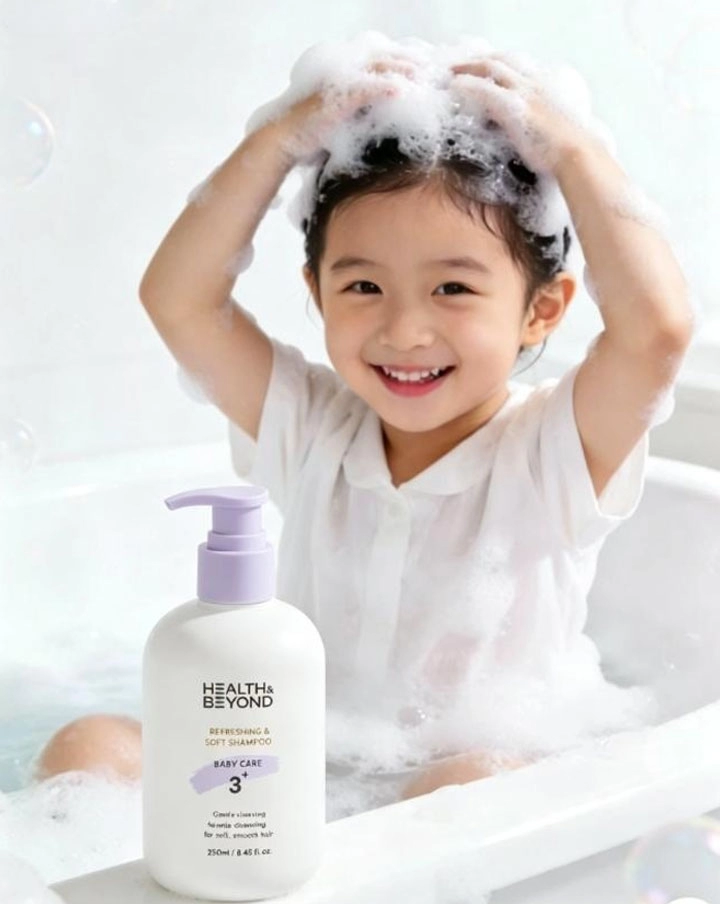
To address these needs, Health&Beyond introduces Baby 3+ Soft Shampoo, a hair care product developed for children aged three and above. It combines a plant-derived APG cleansing base with natural calendula and camellia extracts, multi-molecular hyaluronic acid, nourishing seed oils, panthenol, and prebiotic ingredients.
With delicate foam, easy rinsing, and a zero eye irritation formulation, this product is designed to provide gentle cleansing while helping maintain scalp moisture and improve hair manageability. It offers a practical approach to children's daily hair care, combining cleansing, moisturizing, and conditioning functions in one formula.
Why Do Children Need a Specially Formulated Baby Shampoo?
Children's hair and scalp are exposed to various environmental factors every day. Outdoor activities, sweating, dust, changing temperatures, and frequent bathing can all influence scalp cleanliness and hair condition.
Although adult shampoos can effectively remove dirt and oil, not every formulation is suitable for children's everyday hair care. A product designed for younger users should consider both cleansing performance and the comfort of the scalp.
1. Maintaining the Scalp's Natural Oil Balance
The scalp naturally produces sebum, which helps maintain moisture and protects the skin surface. This natural oil layer is important for keeping the scalp comfortable.
However, sweat, dust, and excess oil can accumulate throughout the day. Regular cleansing helps remove these impurities, but overly aggressive washing may remove too much of the scalp's natural oil.
A mild baby shampoo can help balance cleansing effectiveness with scalp comfort. Plant-derived cleansing ingredients, such as alkyl polyglucoside (APG), are commonly used in gentle personal care formulations because of their mild cleansing characteristics.
2. Reducing Dryness and Scalp Discomfort
Children may occasionally experience scalp dryness, itching, or redness due to environmental changes, excessive sweating, or unsuitable hair care products.
A shampoo containing soothing botanical ingredients can provide additional scalp-conditioning care. Calendula and camellia extracts are valued in cosmetic formulations for their soothing and skin-conditioning properties.
These ingredients help support a comfortable scalp environment, particularly when incorporated into a formula designed for regular use.
3. Keeping Hair Moisturized and Easy to Comb
Children's hair can become dry and tangled after frequent washing, towel drying, and exposure to environmental conditions.
When the hair surface becomes rough, individual strands may experience greater friction, making brushing more difficult. This can be particularly noticeable in children with long or fine hair.
A moisturizing baby shampoo should therefore do more than clean the hair. It should also contain conditioning ingredients that help improve softness, reduce the feeling of dryness, and make hair easier to manage.
4. Making Bath Time More Comfortable
Some children dislike washing their hair because shampoo may enter their eyes or because rinsing takes too long.
A delicate foam texture, easy-rinsing formula, and eye-comfort-focused formulation can help make the washing process more convenient.
These features are important for parents who want to establish consistent hair care habits without making bath time unnecessarily stressful.
What Should Parents Look for in a Gentle Baby Shampoo?
When choosing a shampoo for children, parents should pay attention to its cleansing system, moisturizing ingredients, scalp compatibility, and overall washing experience.
A well-balanced formula should address several hair care needs without making the product unnecessarily complicated.
Mild Plant-Based Cleansing Ingredients
The cleansing system is one of the most important factors in shampoo formulation. It determines how effectively the product removes dirt, sweat, and excess sebum.
Plant-derived surfactants such as APG are widely used in personal care products because they offer mild cleansing properties.
They help remove everyday impurities while supporting a more comfortable washing experience. For children's hair care, this balance is particularly important because frequent cleansing should not leave the scalp feeling excessively dry.
Soothing Botanical Extracts
Botanical extracts are frequently incorporated into children's personal care products to provide additional conditioning benefits.
Calendula and camellia extracts are two examples of plant-derived ingredients used in scalp and hair care formulations. They complement mild cleansing ingredients by supporting scalp comfort.
Parents looking for a gentle shampoo for children may consider products that combine appropriate cleansing agents with soothing ingredients rather than relying on cleansing performance alone.
Effective Moisturizing Ingredients
Moisturization is another important consideration, especially for children whose hair tends to become dry or frizzy.
Hyaluronic acid, panthenol, and nourishing seed oils are commonly used in cosmetic formulations to help condition the hair and improve its feel.
These ingredients contribute to softer hair, better manageability, and a more comfortable post-wash experience.
Easy-Rinsing and Non-Heavy Texture
A shampoo should rinse away thoroughly without leaving the scalp and hair feeling coated.
Delicate foam can help distribute the cleansing formula evenly, while an easy-rinsing texture makes daily bathing more convenient.
A lightweight cleansing formula is particularly useful for families who want to simplify their children's bathing routines.
Key Ingredients That Support Children's Scalp and Hair Health
The effectiveness of a children's shampoo depends on how its ingredients work together. A balanced formulation should consider cleansing, scalp conditioning, moisture retention, and hair softness.
The following ingredients contribute to these different functions.
1. APG Cleansing Factor: Gentle Removal of Everyday Impurities
Alkyl polyglucoside, commonly known as APG, is a plant-derived nonionic surfactant used in many personal care and cleansing products.
It is generally produced using plant-based raw materials, including glucose and fatty alcohols. Its mild cleansing characteristics make it a useful ingredient in formulations designed for frequent use.
Its main functions include:
Helping remove dirt, sweat, and excess oil.
Providing gentle cleansing for the scalp and hair.
Supporting the scalp's natural sebum balance.
Producing delicate foam for easier application.
Contributing to an easy-rinsing washing experience.
In children's hair care, effective cleansing should not come at the expense of scalp comfort.
The APG cleansing factor in this formula helps remove everyday impurities while supporting the scalp's natural oil layer. This creates a balanced cleansing approach suitable for regular hair washing.
2. Calendula Extract: Botanical Soothing Care
Calendula is a well-known botanical ingredient used in skincare and personal care formulations. Its extract is valued for its soothing and skin-conditioning properties.
Children's scalps may occasionally feel uncomfortable due to dryness, sweating, or external environmental influences. Calendula extract can provide additional conditioning support in products designed for sensitive-feeling skin.
Its key functions include:
Helping soothe scalp discomfort.
Supporting skin conditioning.
Helping maintain a comfortable scalp environment.
Complementing the effects of mild cleansing ingredients.
Providing botanical care for everyday hair washing.
By incorporating calendula extract, a children's shampoo can offer more comprehensive scalp care than a basic cleansing formula.
3. Camellia Extract: Supporting Scalp Comfort
Camellia has a long history of use in traditional beauty and personal care applications. Its extracts are incorporated into modern cosmetic formulations for their conditioning and antioxidant-related properties, depending on the extract used.
In children's hair care, camellia extract complements other botanical ingredients and contributes to a soothing formulation.
Its potential functions include:
Supporting scalp conditioning.
Helping maintain a comfortable scalp feel.
Complementing calendula extract.
Contributing to a balanced hair care formula.
Providing additional botanical care during cleansing.
Together, calendula and camellia extracts help address scalp comfort while supporting the overall mild positioning of the product.
4. Multi-Molecular Hyaluronic Acid: Moisturizing Scalp and Hair
Hyaluronic acid is widely used in skincare and hair care products because of its ability to attract and retain water.
Multi-molecular hyaluronic acid refers to the use of hyaluronic acid with different molecular weights. This allows formulators to develop moisturizing products with different moisture-retention and conditioning characteristics.
Its functions in hair care include:
Helping maintain scalp moisture.
Improving the feel of dry hair.
Supporting hair softness.
Reducing the feeling of roughness.
Contributing to a smoother post-wash experience.
When hair lacks moisture, it may become rough, dull, and difficult to comb.
The inclusion of multi-molecular hyaluronic acid helps provide additional moisture care, complementing the cleansing and conditioning components of the formula.
5. Nourishing Seed Oil: Softening Hair and Improving Manageability
Plant-derived seed oils are widely used in hair care formulations because of their emollient properties.
They help condition the hair surface, improve softness, and reduce the rough feeling that can make hair difficult to manage.
Their main benefits include:
Helping soften dry and rough hair.
Supporting moisture retention.
Improving hair smoothness.
Helping reduce static-related discomfort.
Making hair easier to comb.
Improving the overall appearance of hair.
For children with longer hair, tangling can become a daily challenge. Conditioning ingredients such as nourishing seed oils help reduce friction between hair strands and improve manageability.
This makes brushing after bathing more convenient for both parents and children.
6. Panthenol: Conditioning Support for Hair and Scalp
Panthenol, also known as provitamin B5, is a widely used ingredient in personal care products.
It is valued for its moisturizing and conditioning properties and is frequently incorporated into shampoo and hair treatment formulations.
Its main functions include:
Helping improve hair softness.
Supporting moisture retention.
Conditioning dry and rough hair.
Improving hair manageability.
Supporting scalp comfort.
Panthenol works alongside hyaluronic acid and nourishing seed oils to create a more comprehensive moisturizing and conditioning system.
7. Prebiotics: Helping Maintain a Balanced Scalp Environment
The scalp has a natural microbial ecosystem that contributes to its overall condition.
Prebiotic ingredients are increasingly used in modern personal care formulations as part of an approach to supporting the scalp's natural environment.
Their intended functions include:
Supporting the balance of the scalp's microbial environment.
Complementing the scalp-conditioning properties of other ingredients.
Helping maintain a comfortable scalp condition.
Supporting the scalp's natural protective environment.
Contributing to everyday scalp care.
When combined with panthenol and botanical extracts, prebiotics add another dimension to the formula, extending its focus beyond cleansing and basic moisturization.
How Does a Moisturizing Baby Shampoo Address Common Hair Problems?
Children's hair care involves more than removing dirt and excess oil. Parents also need to consider dryness, tangling, static, and scalp discomfort.
A balanced moisturizing baby shampoo can help address these everyday concerns through a combination of cleansing and conditioning ingredients.
Gentle Cleansing Without Excessive Dryness
Sweat, dust, and excess oil can accumulate on children's scalps, especially after outdoor activities.
A mild cleansing base helps remove these impurities without relying on an unnecessarily aggressive cleansing approach.
The APG-based system provides gentle cleansing and delicate foam, making the washing process easier while supporting scalp comfort.
Soothing Care for Dry and Uncomfortable Scalp
Changes in temperature, humidity, and daily activities can affect scalp comfort.
Calendula and camellia extracts provide botanical conditioning properties that help soothe the scalp and reduce the feeling of discomfort associated with dryness.
These ingredients complement the cleansing system and support a more comfortable daily washing routine.
Improving Dry, Frizzy, and Rough Hair
Dry hair often feels rough and may appear less shiny. It can also become more difficult to manage after washing.
Multi-molecular hyaluronic acid, panthenol, and nourishing seed oils help improve the feel of dry hair by providing moisturizing and conditioning support.
With regular use as directed, these ingredients can help hair feel softer, smoother, and easier to comb.
Reducing Static and Hair Tangling
Static and tangling can make children's hair grooming more difficult.
When hair strands experience excessive friction, they may become tangled during washing, drying, or brushing.
Nourishing seed oils help condition the hair surface, while panthenol contributes additional softness. This combination supports improved hair manageability and a smoother combing experience.
Supporting Scalp Balance in Different Seasons
Children's scalp conditions may change throughout the year.
Hot and humid weather can increase sweating, while cold and dry conditions may contribute to moisture loss.
A formula combining mild cleansing ingredients, botanical extracts, moisturizers, and prebiotics provides multiple types of scalp care to support everyday hair washing throughout seasonal changes.
How to Wash Children's Hair Correctly
Choosing a suitable shampoo is only one part of good hair care. Proper washing techniques also help maintain scalp comfort and improve the overall bathing experience.
Step 1: Wet the Hair with Lukewarm Water
Start by thoroughly wetting the child's hair and scalp with lukewarm water.
Make sure the hair is evenly damp before applying shampoo. Avoid excessively hot water, as it may contribute to dryness and discomfort.
Step 2: Apply an Appropriate Amount of Shampoo
Dispense a suitable amount of shampoo into your palm. The amount required depends on the child's hair length and thickness.
Using too much product does not necessarily improve cleansing performance.
Step 3: Massage the Scalp Gently
Apply the shampoo evenly and massage the scalp with your fingertips.
Avoid scratching with your fingernails or rubbing the hair too aggressively. Gentle movements help distribute the foam while minimizing unnecessary friction.
Step 4: Rinse Thoroughly
Rinse the hair with lukewarm water until the shampoo has been completely removed.
The delicate foam and easy-rinsing properties of this formula help make the process more convenient. Nevertheless, parents should always take care to prevent shampoo from entering the child's eyes.
Step 5: Dry and Comb the Hair Carefully
Use a soft towel to gently absorb excess water. Avoid vigorous rubbing, which can increase friction and cause tangling.
For children with longer hair, use a suitable comb and work through tangles gently, starting near the ends.
Following these simple steps can make everyday hair washing more comfortable and help maintain soft, manageable hair.
How to Choose the Right Baby Shampoo for Everyday Use
With many children's hair care products available, parents should consider more than packaging and fragrance when making a purchasing decision.
The formulation, cleansing performance, and suitability for the child's age are all important factors.
Check the Cleansing System
Look for a shampoo that uses an appropriate mild cleansing system.
Plant-derived surfactants such as APG can be a useful choice in formulations designed for gentle cleansing. However, the overall mildness of a shampoo depends on its complete formula, not just one ingredient.
Consider the Moisturizing Ingredients
Children whose hair becomes dry or tangled may benefit from shampoos containing conditioning ingredients.
Hyaluronic acid, panthenol, and plant-derived oils are commonly used to improve hair softness and manageability.
These ingredients can complement the cleansing system and help create a more comfortable post-wash experience.
Pay Attention to Scalp-Conditioning Components
Botanical ingredients such as calendula and camellia extracts can provide additional skin-conditioning support.
Parents should also consider the child's individual sensitivities and check the complete ingredient list before using a new product.
Evaluate the Texture and Rinsing Experience
A good daily shampoo should spread easily, produce a comfortable amount of foam, and rinse away thoroughly.
These practical characteristics can make a significant difference to the convenience of regular bathing.
Follow Age Recommendations
Not every children's shampoo is suitable for every age group.
Parents should check the label and use the product according to its intended age range. Products developed for children aged three and above should not automatically be assumed suitable for infants or younger babies.
If a child experiences persistent itching, redness, or scalp irritation, consult a healthcare professional rather than relying on shampoo alone.
Baby 3+ Soft Shampoo: A Balanced Solution for Children's Hair Care
Maintaining healthy-looking children's hair requires a consistent routine that combines effective cleansing with appropriate moisturizing and conditioning care.
A suitable shampoo should help remove everyday impurities while keeping the scalp comfortable and making hair easier to manage.
Baby 3+ Soft Shampoo brings together plant-derived APG cleansing factors, calendula and camellia extracts, multi-molecular hyaluronic acid, nourishing seed oils, panthenol, and prebiotic ingredients to support these different needs.
Its key features include:
Mild plant-based cleansing: Helps remove everyday impurities while respecting the scalp's natural sebum layer.
Delicate and easy-rinsing foam: Simplifies the washing process without leaving an unnecessary residue.
Eye-comfort-focused formulation: Designed to avoid stinging discomfort during washing.
Botanical scalp conditioning: Calendula and camellia extracts help soothe scalp discomfort.
Multi-dimensional moisturization: Hyaluronic acid and panthenol help condition the scalp and hair.
Improved hair manageability: Nourishing seed oils help soften hair and reduce the feeling of static and tangling.
Scalp balance support: Prebiotic ingredients complement the formula's overall scalp-conditioning approach.
Together, these features make the product a practical choice for children's everyday hair care routines.
As a professional personal care and cosmetics company, Health&Beyond continues to develop products that respond to the changing needs of families and consumers. This new shampoo reflects an approach that combines mild cleansing, botanical care, and moisturizing ingredients in one convenient formula.
For parents looking for a gentle baby shampoo for children aged three and above, choosing a product that considers both scalp comfort and hair manageability is an important step toward establishing good daily hair care habits. With its balanced formulation and easy-to-use texture, this product offers a convenient way to keep children's hair clean, soft, smooth, and easier to comb throughout the year.
 Previous news


 WhatsApp